I had a conversation with a General Counsel at a healthcare firm last week. She was terrified.
"Ayush," she said, "I can’t let an AI touch patient records. What if it hallucinates? I trust my team because I know they are careful."
I asked her a simple question: "When was the last time your team worked 24 hours straight without blinking, sleeping, or checking their phone?"
Silence.
This is the Compliance Paradox.
We are wired to believe that "Human" = Safe and "AI" = Risky. But when it comes to regulatory compliance (HIPAA, GDPR, SOC2), the data tells the opposite story.
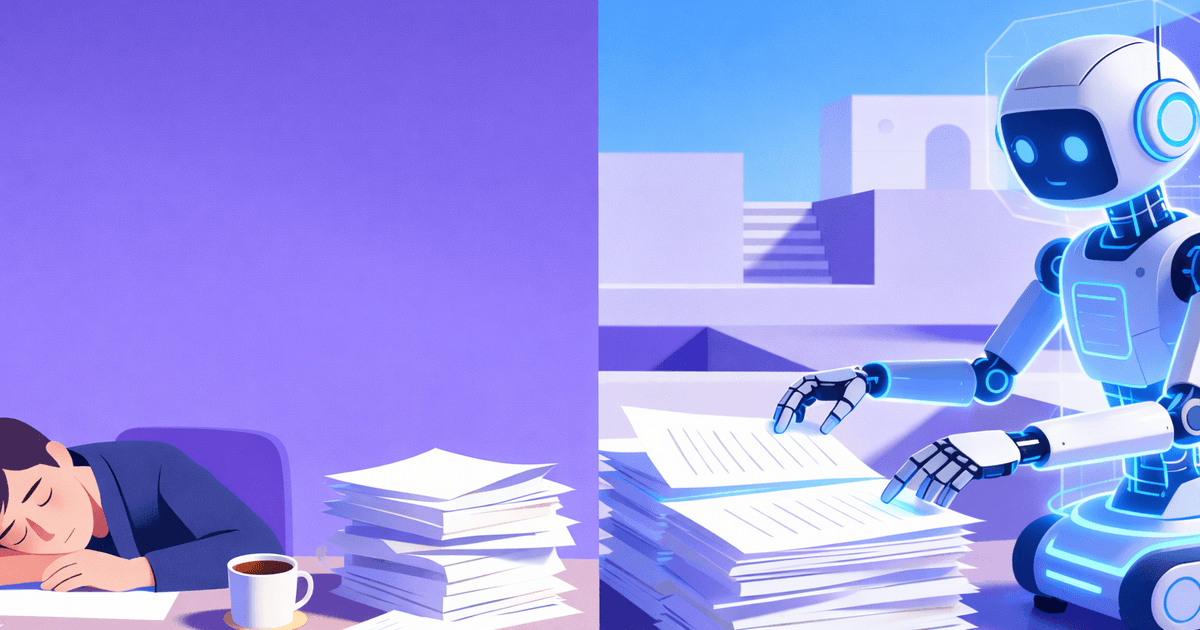
Humans are terrible at compliance. We get tired. We get bored. We skim long documents. We have "implicit bias." A human reviewer checks 5% of logs and calls it an "audit."
Agents are built for compliance. An AI agent checks 100% of logs. It doesn't get bored. It doesn't have "bad days." It follows the rule: If PII is detected, redact it. Zero exceptions.
The "Auditor Agent" Architecture
In our recent work with legal infrastructure, we realized we couldn't just trust a Generative model to "be good." So we stopped trying. Instead, we started building "Auditor Agents."
Here is the architecture:
Agent A (The Worker): Drafts the brief. It’s creative, fast, and aggressive.
Agent B (The Auditor): Has read-only access. Its only job is to scan Agent A’s output against a database of 500+ compliance rules.
If Agent A tries to hallucinate a case law or leak a name, Agent B blocks the message before it ever reaches the UI.
It’s not "Human vs. AI." It’s "AI checking AI."
We are entering a world where "Compliance" isn't a quarterly panic attack. It’s a background process that runs every millisecond.
If you are still relying on humans to catch every error, you aren't being "safe." You're being reckless.